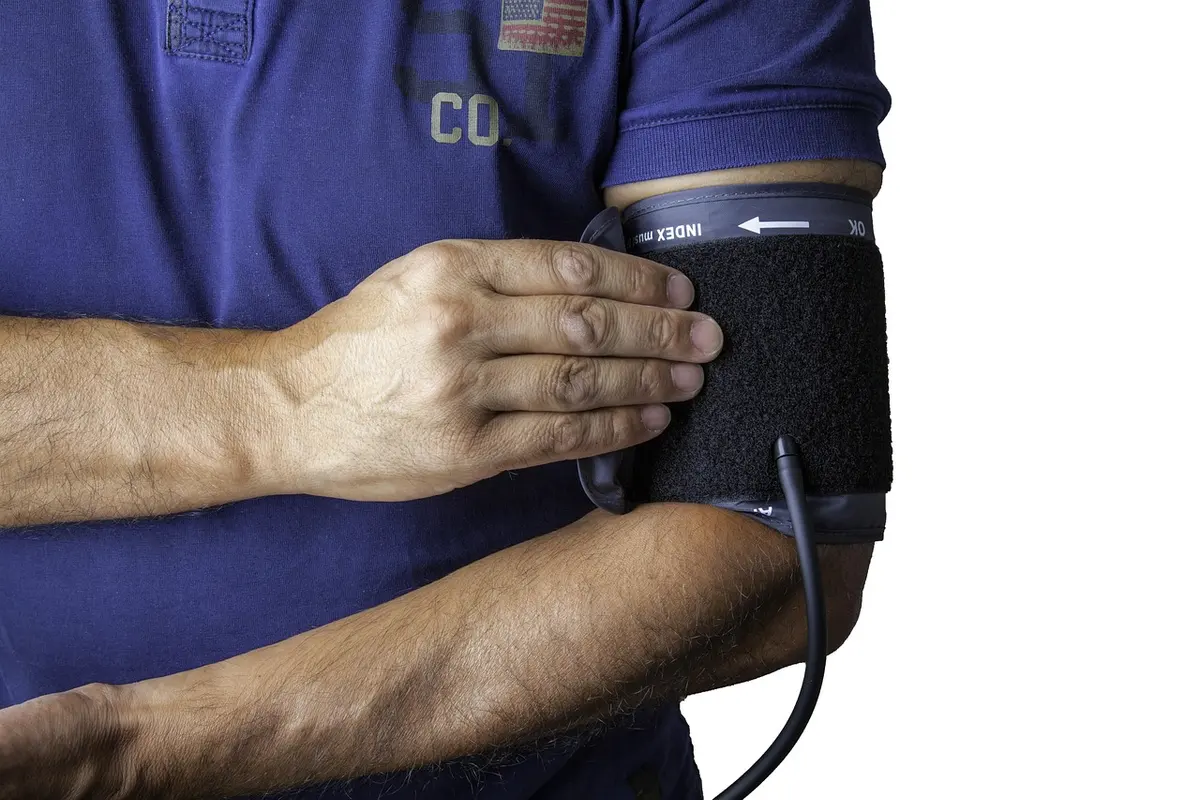
Why You Should Track Your Blood Pressure at Home
My doctor kept telling me my numbers were “a little elevated” at appointments, but I brushed it off as white coat syndrome. Turns out, when I finally got a monitor for home, my readings were actually pretty consistent with what she was seeing. That was a wake-up call.
Home monitoring has gotten remarkably good. The devices are accurate, most sync to your phone, and you can share weeks of data with your doctor instead of relying on that one stressed-out reading at the office.
Here’s what I’ve found works best after testing several of these over the past year.
My Top Picks
1. Omron Platinum — Best Overall
This is the one most cardiologists point to when patients ask what to buy. I get why.
The TruRead feature takes three separate readings and averages them, which eliminates a lot of the noise from individual measurements. It syncs via Bluetooth, stores unlimited readings in the app, and works with Alexa and Apple Health if you’re into that ecosystem.
The good stuff:
- Readings match up well with clinical equipment
- The app is actually intuitive (rare for medical devices)
- Detects irregular heartbeat patterns
- Build quality feels solid
What gave me pause:
- It’s not cheap, and the app is basically required to get full value
- If you just want a simple monitor, this might be overkill
Works well for most people who want reliable, connected tracking.
2. Withings BPM Connect — Best Smart Monitor
If your home is already full of smart devices, this fits right in. WiFi plus Bluetooth means it syncs automatically without you having to do anything.
I was skeptical about needing another app, but the Health Mate app is genuinely well-designed. The rechargeable battery is a nice touch since I was tired of buying AAs for other monitors.
What stands out:
- Clean, modern design that doesn’t look like medical equipment
- Completely hands-off syncing
- Great for spotting long-term trends
- The LED display is easy to read
Worth knowing:
- You’re paying a premium for the smart features
- Like the Omron, it’s most useful with the app
Best for people already invested in connected health tracking.
3. Omron 10 Series — Best for Two Users
My parents share this one. It keeps 100 readings for each of them separately, which is pretty clever if you live with someone who also needs to monitor.
The ComFit cuff fits a wide range of arm sizes, and the irregular heartbeat detection gives some peace of mind. No smartphone required.
Highlights:
- Two-user memory is genuinely useful
- Accurate readings
- Simple enough for anyone to use
- Decent storage capacity
Limitations:
- No app connectivity whatsoever
- The display looks dated
Good choice for households where two people track their blood pressure.
4. Greater Goods Balance — Best Budget Pick
Not everyone needs Bluetooth and apps. Sometimes you just want accurate readings without spending a fortune.
This one has a large backlit display that’s easy to read, stores 60 readings, and the cuff fits most arm sizes. It does what it’s supposed to do.
What works:
- Hard to beat the price for the accuracy you get
- Clear, readable screen
- Straightforward operation
What’s missing:
- No smart features at all
- Limited memory compared to pricier options
Solid choice if you want accuracy without bells and whistles.
5. Omron Evolv — Best for Travel
This one’s clever engineering. The cuff and display are integrated into one unit with no tubes or wires. Just wrap it around your arm and press the button.
Takes some getting used to positioning it correctly, but once you figure it out, it’s remarkably portable. I throw it in my bag when I travel.
Strengths:
- Incredibly compact
- Modern, minimal design
- Bluetooth sync available
- Stores 100 readings
Trade-offs:
- Smaller display than traditional monitors
- Positioning takes practice
Designed for people who need to monitor while traveling.
Quick Comparison
| Monitor | Price | Memory | Smart Features | Best For |
|---|---|---|---|---|
| Omron Platinum | [Check Price] | Unlimited* | Yes | Overall |
| Withings BPM | [Check Price] | Unlimited* | Yes | Smart Home |
| Omron 10 | [Check Price] | 200 (2 users) | No | Couples |
| Greater Goods | [Check Price] | 60 | No | Budget |
| Omron Evolv | [Check Price] | 100 | Yes | Travel |
*With app
Understanding Your Numbers
Quick reference for what the readings mean:
- Normal: Below 120/80 mmHg
- Elevated: 120-129 / below 80 mmHg
- Stage 1 High BP: 130-139 / 80-89 mmHg
- Stage 2 High BP: 140+ / 90+ mmHg
Tips for Accurate Readings
I learned most of these the hard way:
- Actually sit still for 5 minutes before measuring. Rushing in right after climbing stairs throws everything off.
- Keep both feet flat on the floor, not crossed.
- Support your arm at heart level (I use a pillow).
- Don’t talk during the reading.
- Try to measure at roughly the same time each day.
- Take 2-3 readings a few minutes apart and look at the average.
Why Bother with Home Monitoring?
For some people, blood pressure genuinely spikes at the doctor’s office. Home readings give you a more complete picture. You can track trends over weeks or months, catch issues earlier, and show your doctor real data instead of a single snapshot.
The Bottom Line
For most people, the Omron Platinum makes the most sense. It’s accurate, the app works well, and doctors trust it.
If you’re already deep in the smart home world, Withings BPM Connect has the smoothest integration.
Watching your budget? Greater Goods Balance does the fundamentals right without the premium price.
Prices fluctuate, so check current listings before purchasing.