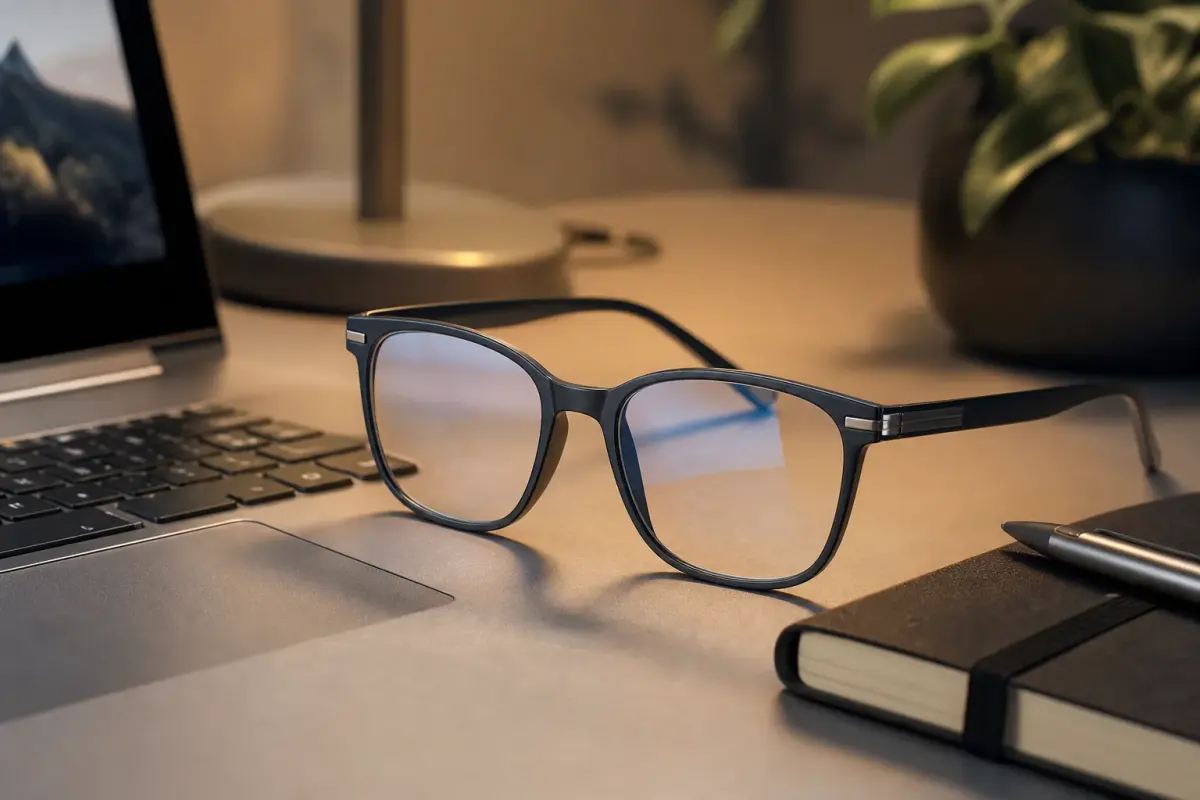
This Category Gets Oversold Constantly
Blue light glasses are one of those products where the marketing often runs way ahead of the actual benefit. Some people do find them helpful, especially at night or during long screen-heavy workdays. But they are not magic, and they do not fix a bad monitor setup, poor room lighting, or the habit of staring at a screen for six straight hours without a break.
That said, good computer glasses can still make sense. The trick is not overpaying for hype.
What I Actually Care About
Lens tint
Heavier amber tint can help at night, but it also changes color perception more. Clear or lightly tinted lenses are easier for daytime use.
Frame comfort
If you only wear them because of screen time, comfort matters a lot. A pair that pinches your nose or feels too heavy will not stay in rotation.
Coatings and glare control
Sometimes the anti-reflective coating matters more than the “blue light” part.
Use case
Nighttime winding down, workday comfort, and gaming are not exactly the same use case.
My Picks
1. Felix Gray Nash
This is the kind of pair that feels polished enough for daily office wear without screaming “computer glasses.”
Why it works:
- Subtle styling
- Comfortable for extended wear
- Good choice for people who want something wearable in meetings and calls
Tradeoff:
Pricier than basic alternatives.
Best for:
Office workers who care about frame style as much as the lens function.
2. Gamma Ray Optics
If you just want to test whether this category helps you at all, a simpler budget pair still makes sense.
Why it works:
- Low-risk price
- Fine for occasional use
- Easy entry point
Tradeoff:
Less refined frame quality and a more disposable feel.
Best for:
Trying the category without committing much money.
3. Gunnar Razer or Gunnar Intercept
Gunnar has been around long enough that people either roll their eyes or quietly keep using them. I think they still make sense for users who spend very long hours in front of screens and do not mind a slightly more obvious lens look.
Why it works:
- Purpose-built for long screen sessions
- More noticeable filtering feel
- Often liked by gaming-heavy users
Tradeoff:
The visual style is not for everyone, and color shift is more noticeable.
Best for:
Gamers, heavy evening screen time, people who prefer a stronger intervention.
4. Warby Parker Blue Light Collection
If you already wear prescription glasses or want a pair that integrates into your normal eyewear habits, this route makes a lot of sense.
Why it works:
- Better if you want one polished everyday pair
- Strong frame options
- Easier to fit into a normal personal style
Tradeoff:
Value depends on whether you already need glasses.
Best for:
Prescription users, all-day wear, style-conscious buyers.
5. J+S Vision or Similar Amber Pair
For late-night use at home, a more amber-leaning pair can be useful if your real goal is cutting down screen harshness in the evening rather than wearing them all day.
Why it works:
- Better for dedicated night use
- More obvious reduction in harshness
- Usually inexpensive
Tradeoff:
Not ideal if you care about color accuracy or want an everyday office look.
Best for:
Night owls, bedtime laptop use, people who want a separate evening-only pair.
My Take
If you are curious, start with a reasonably comfortable pair and keep your expectations realistic. The bigger wins for eye comfort are still:
- better room lighting
- lower monitor glare
- sensible brightness
- breaks during long sessions
Blue light glasses can be a useful extra, but they work best as part of a better screen setup, not as a replacement for one.