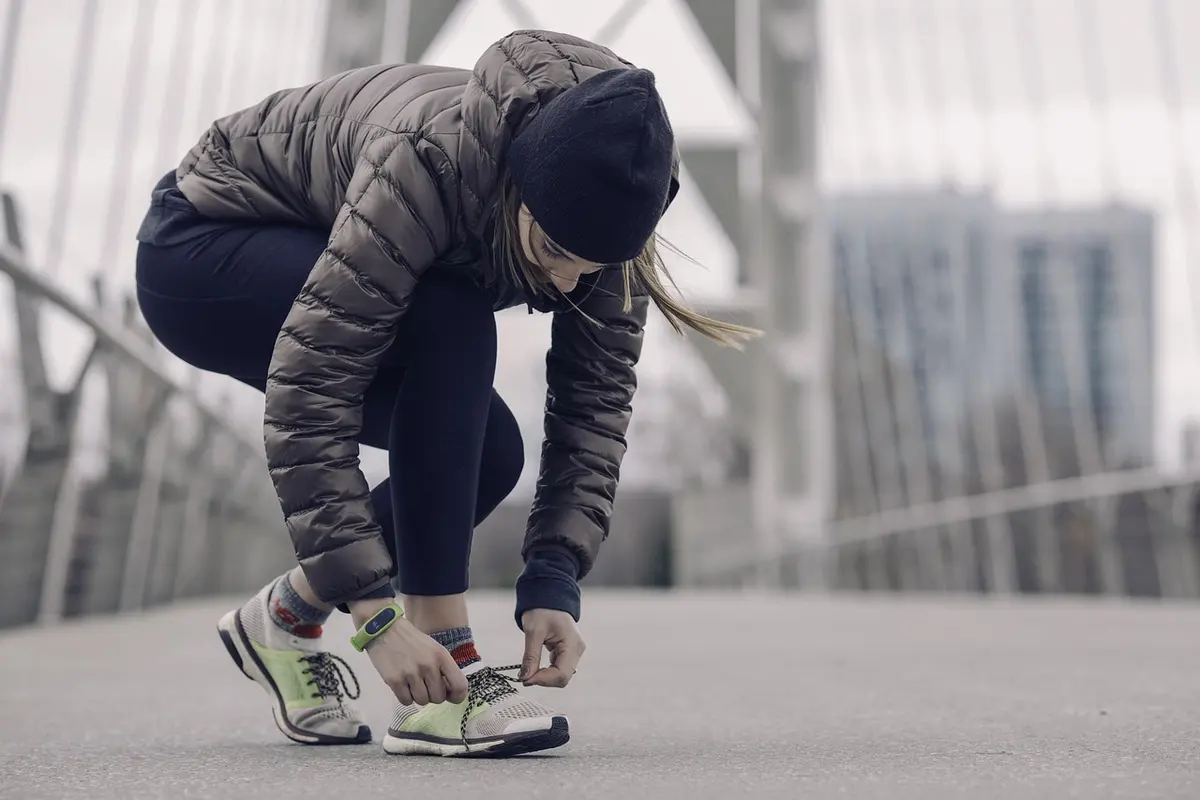
Why a Fitness Tracker Instead of a Smartwatch?
Not everyone needs an Apple Watch. Fitness trackers do the health stuff just as well (often better), last way longer between charges, and cost less.
I’ve worn various trackers over the past year. Some are genuinely useful, some are gimmicks. Here’s what actually delivers.
Worth Considering
Fitbit Charge 6
Fitbit basically invented this category and they’re still ahead on most things.
- Built-in GPS so you don’t need your phone
- ECG and blood oxygen monitoring
- 7-day battery life
- Google integration (Maps, Wallet)
The health tracking is comprehensive. Heart rate zones during exercise are accurate compared to a chest strap (I tested). Sleep tracking gives you useful detail about your sleep stages and quality.
Google Pay on your wrist is more convenient than I expected - I use it at coffee shops constantly now.
Solid all-around choice for anyone who wants the complete picture without thinking too hard about it.
Xiaomi Smart Band 8 Pro
The value here is honestly kind of ridiculous.
- 1.74-inch AMOLED screen (it’s big)
- Built-in GPS
- 150+ workout modes
- 14-day battery life
This thing costs a fraction of the Fitbit and has most of the same features. The screen is bright and responsive. GPS tracking is surprisingly accurate. Two weeks on a charge.
The app experience isn’t quite as polished and the ecosystem is less developed. But for the price, I’m not sure what there is to complain about.
If budget matters at all, start here.
Garmin Vivosmart 5
Garmin makes serious sports watches, and their fitness tracker inherits that DNA.
- Body Battery energy monitoring (actually useful)
- Pulse Ox sensor
- Fitness age calculation
- 7-day battery
- Swim-proof
The Body Battery feature tracks your energy levels throughout the day based on sleep, stress, and activity. I was skeptical but it correlates surprisingly well with how I actually feel. When it says my energy is low, I’m usually dragging.
If you already use Garmin Connect for other activities, everything syncs together. The data accuracy is what you’d expect from Garmin - reliable.
Amazon Halo View
Amazon’s approach is different - more wellness focused than fitness focused.
- Live heart rate tracking
- Sleep quality scoring
- Movement health assessment
- Color AMOLED display
Less about workout metrics, more about overall wellness patterns. The movement health stuff analyzes how you move and suggests improvements. Interesting if you care about that kind of thing.
Slim and comfortable to wear. App experience is solid. Not for serious athletes but good for general health awareness.
WHOOP 4.0
This one’s weird. No screen at all. Just data.
- Strain and recovery tracking
- Deep sleep analysis
- 24/7 HRV monitoring
- Continuous data collection
WHOOP is obsessed with recovery. It tracks your strain during workouts, how well you slept, and tells you if you’re ready to push hard or should take it easy. Serious athletes swear by it.
The subscription model is unusual - you don’t buy the device outright, you pay monthly. And there’s no screen, so you check everything on your phone.
Not for casual fitness people. But if you’re training seriously and care about optimizing recovery, nothing goes as deep.
Quick Comparison
| Tracker | GPS | Battery | Best For | Price |
|---|---|---|---|---|
| Fitbit Charge 6 | Yes | 7 days | Overall | [Check Price] |
| Xiaomi Band 8 Pro | Yes | 14 days | Value | [Check Price] |
| Garmin Vivosmart 5 | Connected* | 7 days | Athletes | [Check Price] |
| Amazon Halo View | No | 7 days | Wellness | [Check Price] |
| WHOOP 4.0 | No | 5 days | Recovery | [Check Price] |
*Uses your phone’s GPS
What These Metrics Actually Mean
| Metric | Why Care |
|---|---|
| Heart Rate | Tracks cardio health and workout intensity |
| HRV | Recovery status and stress levels |
| SpO2 | Blood oxygen - can flag sleep apnea |
| ECG | Detects heart rhythm issues |
| Sleep Stages | Whether you’re getting quality rest |
What to Prioritize
For Running:
- Built-in GPS (don’t rely on phone)
- Accurate heart rate
- Pace and distance tracking
For Sleep:
- Detailed sleep stage tracking
- Smart alarm that wakes you in light sleep
- SpO2 monitoring
For General Fitness:
- Accurate step counting
- Auto-detects workouts
- Long battery (so you actually wear it)
For Health Monitoring:
- ECG if needed
- SpO2 sensor
- Stress/HRV tracking
Tracker vs Smartwatch
| Fitness Tracker | Smartwatch | |
|---|---|---|
| Battery | 7-14 days | 1-2 days |
| Size | Slim, light | Bigger |
| Notifications | Basic | Everything |
| Apps | Limited | Tons |
| Focus | Fitness first | Everything |
Get a tracker if you want battery life, simplicity, and focus on health metrics.
Get a smartwatch if you want apps, calls, and a mini computer on your wrist.
What I’d Recommend
Fitbit Charge 6 for most people. Does everything well, nothing badly.
Xiaomi Smart Band 8 Pro if you’re budget-conscious. It shouldn’t be this good for the price.
WHOOP if you’re training seriously and recovery is your priority.
Prices change constantly - always check current pricing!