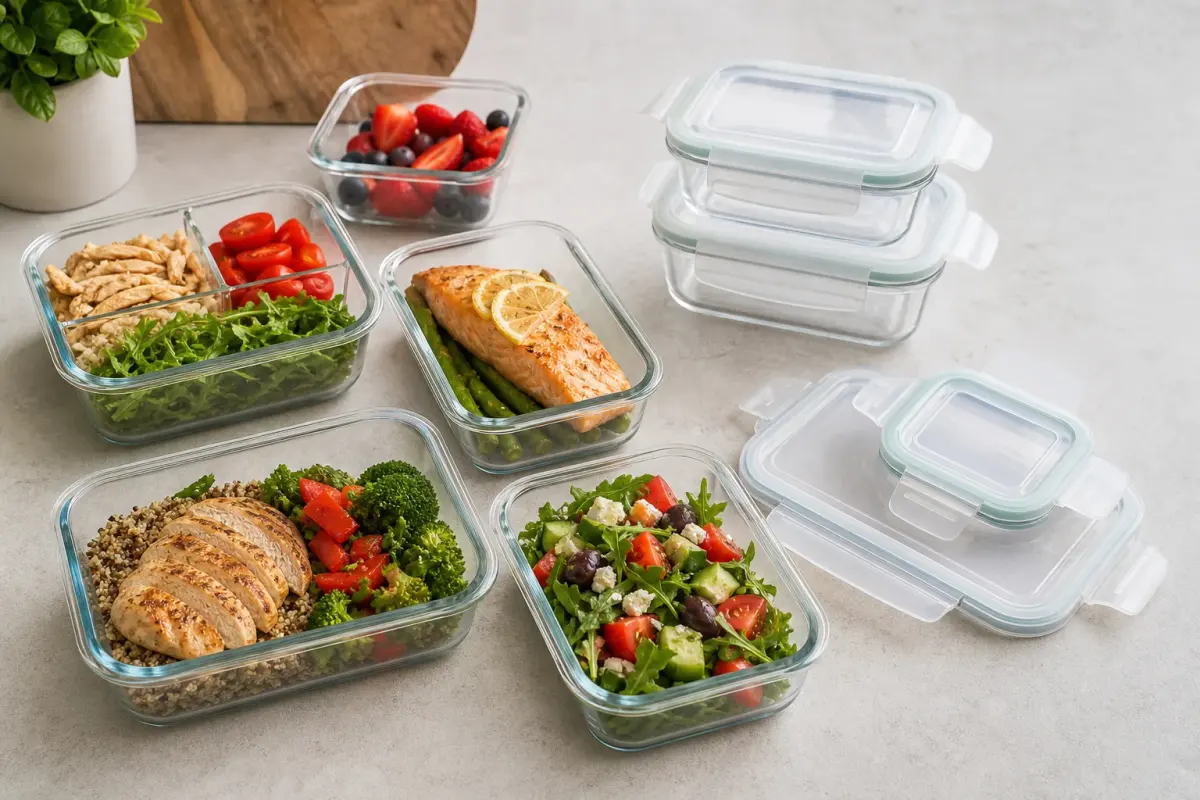
Bad Containers Waste More Than Fridge Space
Meal prep containers are one of those things you only notice when they are bad. Lids warp. Soup leaks. Plastic stains. Glass feels great until the set is so heavy that taking lunch to work becomes mildly annoying every day.
The right container depends on what you actually prep. Large family leftovers, office lunches, freezer portions, and snack boxes all want different shapes.
What I Look For
A lid that seals without drama
This matters more than almost anything else. If the lid is fiddly, loose, or starts wearing out fast, the whole set becomes irritating.
Stackability
The best container is not always the one with the thickest walls. It is the one that makes the fridge easier to use instead of turning it into a tower puzzle.
Microwave and dishwasher reality
Plenty of products claim to be microwave-safe, but regular reheating still reveals which ones hold up and which ones start looking tired fast.
Weight
Glass is excellent for home use. Plastic still wins some points for commuter lunches and carrying multiple portions.
My Picks
1. Rubbermaid Brilliance
If you want the easiest broad recommendation, this is probably it. They seal well, look tidy, and feel more premium than the average plastic container without becoming precious.
Why it works:
- Great visibility into what is stored
- Strong seal
- Good for lunches, leftovers, and weekly prep
Tradeoff:
More expensive than generic plastic sets, and the clear plastic can still show wear over time.
Best for:
Most households that want a versatile everyday set.
2. Pyrex Simply Store Glass Set
Glass is still my preference for home meal prep when storage weight is not the top concern. It is easier to clean, does not retain smells as easily, and generally feels better for repeated reheating.
Why it works:
- Better for long-term home use
- Easier cleanup
- Good for leftovers and oven-to-fridge workflows
Tradeoff:
Heavier and more breakable, so less ideal for daily commuting.
Best for:
Home kitchens, family leftovers, people tired of plastic looking worn after a few months.
3. Prep Naturals Glass Meal Prep Set
This is the more lunch-oriented glass option. The compartment design helps a lot if you actually pack planned weekday meals instead of just storing leftovers.
Why it works:
- Great for portioning lunches
- Feels organized without being oversized
- Better structure for weekly prep routines
Tradeoff:
Compartment containers are less flexible for larger mixed dishes.
Best for:
Office lunches, fitness meal prep, portion-conscious routines.
4. Bentgo Prep
For lighter carry, plastic still has a place. Bentgo-style containers are useful when portability matters more than premium feel.
Why it works:
- Lightweight
- Convenient for grab-and-go weekday use
- Good starter option if you are building a meal prep habit
Tradeoff:
Plastic rarely ages as gracefully as glass.
Best for:
Commuters, students, lighter lunches, people who carry several containers at once.
5. Deli Container Sets
These are not glamorous, but they are weirdly efficient. If you cook in batches, portion soups, or freeze sauces, deli containers stay one of the most practical storage formats around.
Why it works:
- Great stacking
- Excellent for batch cooking
- Usually inexpensive
Tradeoff:
Less polished for plated lunches or compartment-style prep.
Best for:
Freezer prep, soups, sauces, serious home batch cooking.
My Take
For most people, the ideal setup is not one container type. It is a mixed kit:
- glass for home storage and reheating
- lighter plastic or compartment containers for carrying lunches
- round deli containers for freezer and liquid-heavy prep
Trying to force one set to do every job is usually where container systems start feeling annoying.