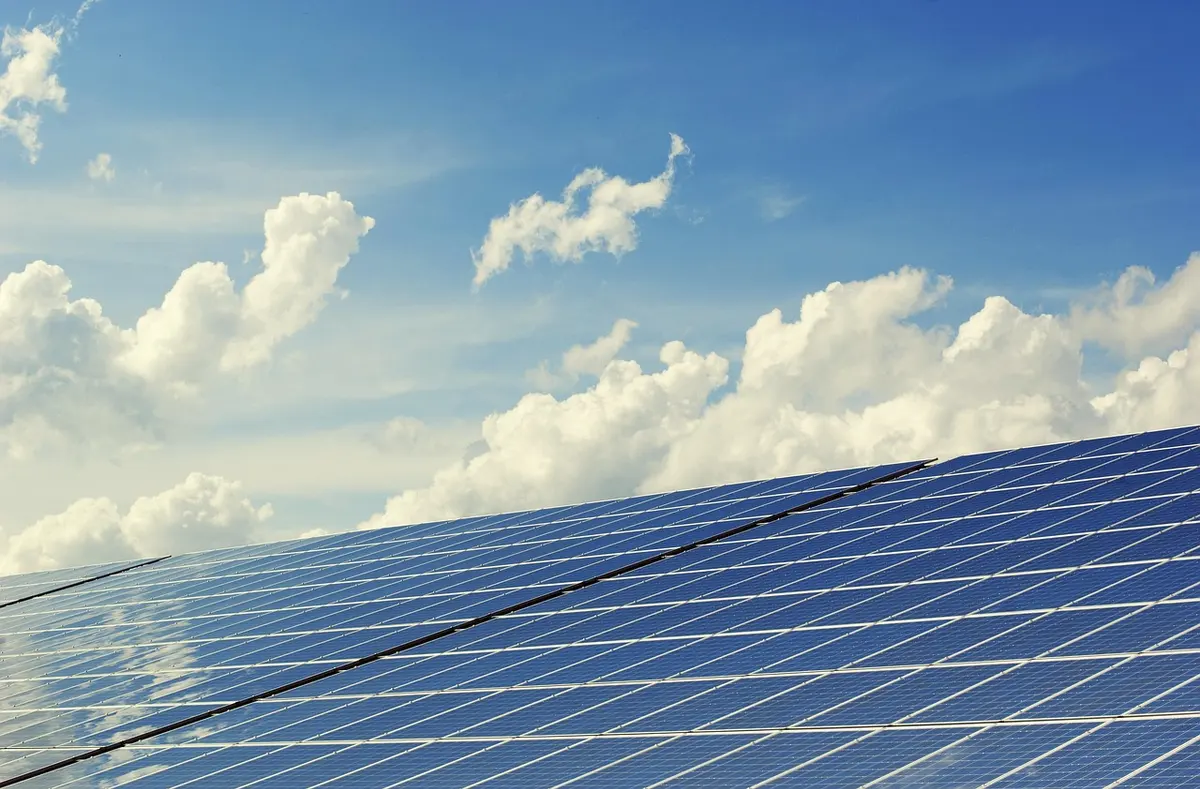
Solar Has Actually Gotten Practical
A few years ago, portable solar panels were more novelty than utility. Fragile, inefficient, and unable to charge much of anything before the sun went down.
That’s changed. Modern panels are more efficient, power stations are genuinely useful, and you can now run real equipment off-grid without hauling a generator. I’ve been testing various setups on camping trips and for emergency backup, and some of this stuff works surprisingly well.
Top 6 Portable Solar Chargers
1. Anker 757 Powerhouse + Solar Panel Kit — The Complete Setup
This is what I’d recommend if you want serious off-grid capability without piecing together different components.
The 757 Powerhouse holds 2048Wh, which is enough to run a mini fridge, charge laptops repeatedly, and power small appliances. Pair it with Anker’s 100W panels and you’ve got a self-sustaining system for extended trips.
What worked well:
- Massive capacity handles real power needs
- Fast AC and USB-C charging
- Solar panels are reasonably efficient
- Build quality is solid
- App for monitoring is useful
- Charges from solar faster than I expected
The downsides:
- Complete kit is expensive
- Heavy at 44 lbs for the power station
- Solar panels take up space
Good for serious off-grid adventures, van life, or emergency preparedness.
2. Goal Zero Yeti 1500X — The Brand Outdoor Enthusiasts Trust
Goal Zero has been making portable power for outdoor use longer than most competitors. The 1500X shows that experience.
Capacity is a bit less than the Anker at 1516Wh, but the reliability is proven. Vanlifers and serious campers have been using these for years and swear by them.
What worked well:
- 1516Wh is plenty for most extended trips
- Multiple output types (AC, DC, USB)
- Expandable with additional solar panels
- App monitoring and control
- Reputation for reliability
- Good warranty and support
The downsides:
- Expensive
- Heavy at 35 lbs
- Solar panels sold separately
- AC recharge from wall is slow
Good for van life, remote cabins, and multi-day camping trips.
3. Jackery Explorer 1000 — Good Balance of Everything
Jackery found a reasonable middle ground. The Explorer 1000 has enough capacity for weekend trips (1002Wh), is portable enough at 22 lbs that one person can carry it, and doesn’t cost as much as the bigger options.
I’ve taken this on several camping weekends and it handled phones, cameras, a laptop, and some lights without issue.
What worked well:
- Enough capacity for 2-3 day trips
- Reasonable weight for one person to carry
- Solar charging works efficiently
- Multiple charging options
- Good value for the specs
- Brand has been reliable
The downsides:
- Not enough for heavy power users
- Solar panels are extra
- Build quality is decent but not premium
- Battery will degrade over time
Good for weekend camping and moderate power needs.
4. BioLite SolarHome 620 — Lighting and Basic Power
BioLite takes a different approach. Instead of trying to power appliances, the SolarHome 620 focuses on lighting and charging phones. It comes with multiple lights and is designed for simplicity.
This makes sense if your main off-grid needs are keeping devices charged and having good lighting in camp. It’s also significantly more affordable than the big power stations.
What worked well:
- Good for camp lighting
- Very affordable compared to alternatives
- Simple setup and use
- Durable construction
- Comes with multiple lights
The downsides:
- Limited to 620Wh capacity
- Can’t run larger appliances
- No AC output
- Basic feature set
Good for lighting-focused camping and keeping phones charged.
5. EcoFlow Delta 2 — Fast Recharging
EcoFlow’s thing is speed. The Delta 2 goes from empty to 80% in about 50 minutes when plugged into a wall, which is genuinely useful if you need to top up before heading out.
Capacity is reasonable at 1024Wh, and you can expand it with extra batteries. Solar charging is decent too.
What worked well:
- Incredibly fast AC recharging
- Solid 1024Wh capacity
- Works well with solar panels
- Can add extra battery packs
- 100W USB-C PD output
- Reasonable pricing
The downsides:
- Fan gets loud when charging fast
- Build quality is good but not premium
- Some users report quality control issues
Good for people who need quick recharge cycles between uses.
6. BigBlue 28W Solar Charger — Ultralight Hiking
If you’re backpacking and counting ounces, this is the solar charger that makes sense. At 14 oz, you barely notice it’s in your pack. It folds compact and charges devices directly from the sun.
The tradeoff is it only works in direct sunlight and can’t power anything bigger than phones and small devices. No battery storage - it’s just panels.
What worked well:
- Extremely lightweight at 14 oz
- Folds up small
- Charges phones reasonably fast in good sun
- Affordable
- Durable for its weight
- Two USB outputs
The downsides:
- Only works for small devices
- No battery storage (just direct charging)
- Needs direct sunlight to be effective
- Slow compared to larger panels
Good for backpackers and minimalists who just need to keep phones and GPS devices charged.
Quick Comparison
| Charger | Capacity | Weight | Solar Efficiency | Price |
|---|---|---|---|---|
| Anker 757 | 2048Wh | 44 lbs | Excellent | Very High |
| Goal Zero 1500X | 1516Wh | 35 lbs | Very Good | Very High |
| Jackery 1000 | 1002Wh | 22 lbs | Good | Medium |
| BioLite SolarHome | 620Wh | 15 lbs | Good | Low |
| EcoFlow Delta 2 | 1024Wh | 27 lbs | Good | Medium |
| BigBlue 28W | None (direct) | 14 oz | Good | Low |
Understanding the Tech
Panel Efficiency
- 18-20%: Good, standard for most portable panels
- 20-22%: Very good, you’ll get more power in the same size
- 22%+: Excellent, premium panels
Battery Types
- LiFePO4: Longest lifespan, handles more charge cycles, but heavier
- Li-ion: Lighter weight, faster charging, but fewer total cycles
- NMC: Balance of weight and capacity
Output Types
- AC: Run household devices (limited by inverter capacity)
- USB-A/C: Phones, tablets, laptops with USB-C
- DC: 12V car-style devices, lights
Tips I Learned the Hard Way
- Adjust panels throughout the day - Sun moves, panel angle matters
- Keep panels clean - Dust and dirt reduce efficiency more than you’d think
- Don’t fully drain batteries - Stopping at 20% extends battery life significantly
- Heat kills batteries - Don’t leave power stations in hot cars
- Use good cables - Cheap cables lose power to resistance
My Recommendations
Serious off-grid power: Anker 757 Powerhouse Kit - complete and capable
Weekend camping: Jackery Explorer 1000 - good balance of capacity and portability
Backpacking: BigBlue 28W - lightweight, does what you need
Just need lights: BioLite SolarHome - affordable and focused
Solar power has genuinely matured. With the right setup, you can stay powered pretty much anywhere the sun shines reasonably often.
Solar performance varies a lot by location, weather, and season. Plan with some margin for cloudy days.