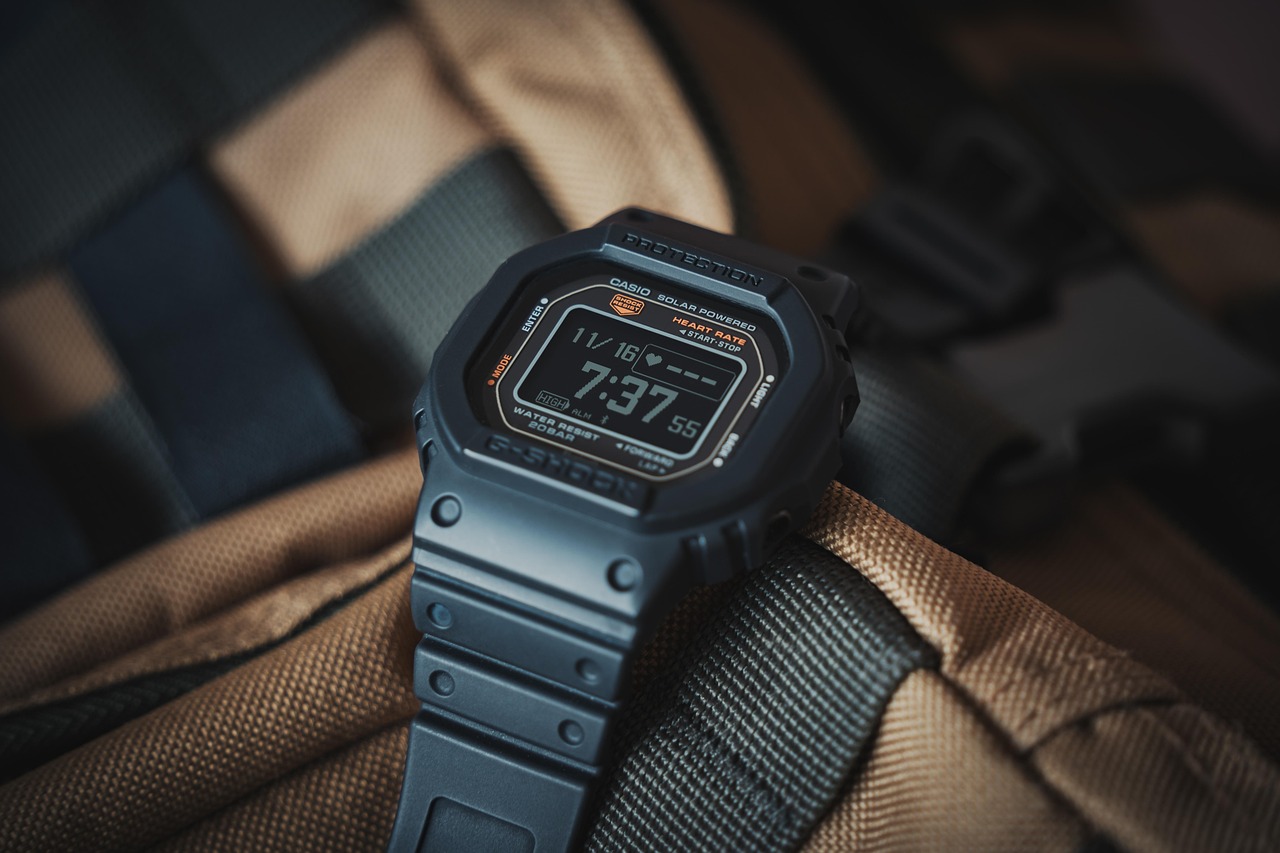
Starting Out With Fitness Trackers
I got my first fitness tracker about three years ago. Honestly, I just wanted something to count steps because I was curious how sedentary my desk job actually made me. (Answer: very.)
Since then I’ve tried a handful of different trackers, from super basic to feature-packed. Here’s what I’d recommend if you’re just starting out and don’t want to overthink it.
My Recommendations for Beginners
1. Fitbit Inspire 3
This is where I’d start if I was buying my first tracker today. Simple, affordable, and does the basics really well.
It tracks steps, sleep, heart rate, and has a decent app. That’s it. No overwhelming features or complicated menus. I bought one for my mom and she actually uses it, which says something about the ease of use.
What works:
- Setup takes about five minutes
- Battery lasts around ten days
- The app makes sense without a tutorial
- Slim enough to wear 24/7 comfortably
- Affordable
What’s lacking:
- Screen is small (fine for glances, not for details)
- No built-in GPS
- Basic workout tracking only
Best for: People who want to start paying attention to movement and sleep without getting overwhelmed.
2. Xiaomi Mi Band 8
If you want to spend as little as possible while still getting something decent, this is it. Usually around $40-50 and does way more than you’d expect.
I wore one for about six months. Step tracking was accurate, sleep tracking was helpful, and battery life was incredible - I charged it maybe twice a month. The AMOLED screen looks way nicer than it should at this price.
What works:
- Incredibly cheap
- Battery lasts forever (literally 2+ weeks)
- Surprisingly accurate for the price
- Lots of watch faces to choose from
- Water resistant
What’s lacking:
- App ecosystem isn’t as polished as Fitbit
- Some translation issues in the interface
- No meaningful smart features
Best for: Anyone who’s not sure they’ll stick with fitness tracking and doesn’t want to invest much upfront.
3. Garmin Vivosmart 5
This sits between basic and advanced. More features than the Fitbit Inspire but still not overwhelming. Garmin has a reputation for accuracy that seems earned based on my experience.
I used this when I started running and it helped me not overdo it with the Body Battery feature. Basically tells you how recovered you are. Sounds gimmicky, turned out to be useful.
What works:
- Very accurate tracking
- Body Battery feature is genuinely helpful
- Garmin Connect app is excellent
- Solid build quality
- Touchscreen actually works well
What’s lacking:
- Pricier than the other beginner options
- Display is monochrome (fine but not exciting)
- Some features require premium subscription
Best for: Beginners who know they’ll stick with it and want room to grow into more features.
4. Amazfit Band 7
Another budget option that competes with the Xiaomi. I’d say they’re roughly equivalent - pick based on price and which design you prefer.
Lots of watch faces, good battery life, and the Zepp app works fine. Heart rate tracking seemed accurate when I compared it to a chest strap during workouts.
What works:
- Great price
- Big AMOLED display for a band
- 120+ sport modes (most of which you’ll never use, but still)
- Sleep tracking with REM detection
- Always-on display option
What’s lacking:
- App is okay, not great
- Build feels a bit plastic
- GPS only through phone connection
Best for: Budget buyers who want a slightly larger screen than the Xiaomi.
5. Samsung Galaxy Fit3
If you have a Samsung phone, this makes more sense than most alternatives because of how well it integrates. Also looks like a proper watch rather than a fitness band.
The rectangular design isn’t for everyone but I liked it. Screen is easy to read and the Samsung Health app is actually good - better than some third-party tracker apps.
What works:
- Seamless Samsung integration
- Display is crisp and easy to read
- 13 days of battery
- Actually looks nice
- Solid sleep and workout tracking
What’s lacking:
- Best features require Samsung phone
- Pricier than Xiaomi/Amazfit options
- No third-party app support
Best for: Samsung phone users who want something that just works.
Quick Comparison
| Tracker | Price | Battery | Best Feature |
|---|---|---|---|
| Fitbit Inspire 3 | ~$100 | 10 days | Easiest to use |
| Xiaomi Mi Band 8 | ~$45 | 16 days | Best value |
| Garmin Vivosmart 5 | ~$150 | 7 days | Most accurate |
| Amazfit Band 7 | ~$50 | 18 days | Best budget display |
| Samsung Galaxy Fit3 | ~$100 | 13 days | Samsung integration |
What I Wish I Knew Before Buying My First Tracker
You don’t need GPS for walking and basic exercise. GPS kills battery and most beginners won’t use it anyway. Your phone can provide GPS if you really need it.
Sleep tracking is surprisingly useful. I didn’t care about it at first. Now it’s probably the feature I pay attention to most.
The app matters as much as the device. A great tracker with a terrible app is frustrating. All the options above have decent apps, which is partly why I recommend them.
Don’t pay for accuracy you won’t use. The difference between 95% and 99% accurate step counting doesn’t matter if you’re just trying to be more active generally.
You’ll stop noticing it after a week. I was worried about wearing something on my wrist all the time. Forgot it was there almost immediately.
Do You Even Need One?
Honestly? Maybe not. Your phone already counts steps. You probably know when you slept poorly.
But if you’re the kind of person who responds well to data and gamification (seeing your progress, hitting goals, streaks), a tracker can be motivating. I walk more because I can see my step count. That alone made it worth it for me.
If you’re unsure, start with something cheap like the Xiaomi. If you don’t use it after a month, you’re only out $40.
Final Thoughts
For most beginners, I’d say either the Fitbit Inspire 3 (easiest, best app) or the Xiaomi Mi Band 8 (cheapest, still good).
If you know you’ll stick with it and want room to grow, the Garmin Vivosmart 5 is worth the extra money.
Don’t overthink it. The best tracker is the one you’ll actually wear.
Prices and availability may change. Check current deals before purchasing.