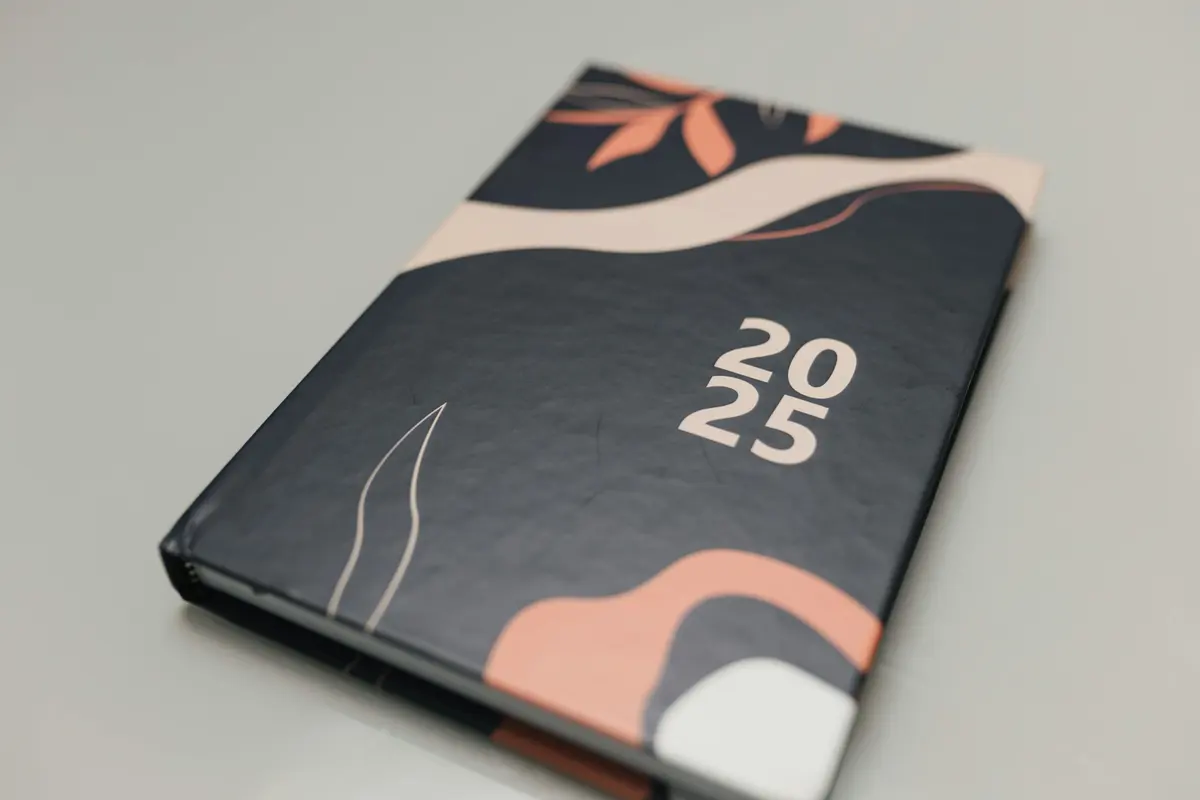
Why Paper Planners Still Work
I’ve tried every productivity app. Notion, Todoist, Things 3, you name it. They’re all good. But I keep coming back to paper planners.
Something about physically writing things down makes them stick. Maybe it’s slower processing, maybe it’s the lack of notification interrupts, maybe it’s just that I’m old. But when I write my to-do list by hand, I actually do the things on it.
If you’re considering going analog (or going back to analog), here’s what I’ve tried.
Quick Comparison
| Planner | Style | Best For |
|---|---|---|
| Hobonichi Techo | Minimalist daily | Creative journaling |
| Full Focus Planner | Goal-driven | Entrepreneurs |
| Passion Planner | Vision + action | Big picture thinkers |
| Clever Fox | Structured weekly | Habit tracking |
| Moleskine Weekly | Classic layout | Minimalists |
Top Planners for Getting Things Done
1. Hobonichi Techo
This Japanese planner has a cult following for good reason.
One page per day. Thin grid lines that don’t interfere. The paper (Tomoe River) is famous for handling fountain pens, markers, whatever - no bleed-through. And it’s completely blank within the grid, so you make your own system.
What works:
- The paper quality really is exceptional
- Enough space per day to actually write things
- Lay-flat binding so it doesn’t fight you
- Covers are interchangeable and fun to collect
- Daily quotes and tips if you’re into that
What doesn’t:
- There’s no goal-setting framework built in
- Totally blank pages can be overwhelming if you want structure
- Original is in Japanese (English version exists)
Who it’s for: People who want to create their own system, journalers, anyone who uses nice pens
2. Full Focus Planner
Created by Michael Hyatt, who wrote a bunch of productivity books. This planner is a system, not just empty pages.
Starts with quarterly goals, breaks them into weekly priorities, then daily tasks. Each day has space for your “Big 3” - the three most important things. Very structured.
What works:
- Actually helps you think about goals, not just tasks
- The Big 3 approach forces you to prioritize
- Morning and evening sections for routines
- Ideal week planning is useful
What doesn’t:
- Expensive
- The structure might feel rigid if you don’t want to be told how to plan
- It’s undated, which is good or bad depending on how you see it
Who it’s for: Entrepreneurs, goal-oriented people, productivity nerds who want a framework
3. Passion Planner
Starts with the big picture question: what do you actually want?
There’s a “passion roadmap” exercise at the beginning that forces you to think about life goals before you start filling in daily tasks. Then weekly layouts connect what you’re doing today to where you want to be eventually.
What works:
- The roadmap exercise is genuinely useful
- Monthly reflection prompts keep you honest
- Good balance of task space and notes space
- Reasonably priced for the quality
- They donate planners for every one sold
What doesn’t:
- The passion roadmap takes real time to complete
- Weekly view can feel cramped
- Not many color choices
Who it’s for: People who want to figure out what they actually want, vision-driven planners
4. Clever Fox Planner
Built for habit building. If you’re trying to start (or stop) habits, this has tracking built in.
Dedicated habit tracker pages, gratitude sections, structured weekly reviews. The prompts are designed to keep you accountable without being preachy.
What works:
- Habit tracker is central, not an afterthought
- Monthly, weekly, and daily sections all connect
- Gratitude prompts if you’re into that
- Good value for everything included
What doesn’t:
- Paper quality is just okay
- Can feel cluttered if you want clean pages
- Dated versions sell out fast
Who it’s for: People building new habits, those who want structure, New Year’s resolutioners
5. Moleskine Weekly Notebook
Week on the left page, blank notebook page on the right. That’s it.
No prompts. No goal frameworks. No sections. Just a simple calendar and space to write whatever you want. Clean and professional.
What works:
- Iconic design that looks good in meetings
- Very simple layout
- Quality binding
- Pocket in the back for loose papers
- Available everywhere
What doesn’t:
- No guidance or framework
- Paper can bleed with certain pens (fountain pen folks beware)
- Pretty basic for the price
Who it’s for: Minimalists, professionals, people who just want a clean weekly view
How to Actually Use Your Planner
I’ve bought plenty of planners that ended up unused by February. Here’s what’s helped me actually stick with it.
Weekly Review (15 minutes, usually Sunday)
- Look at what got done last week
- Move unfinished tasks (or delete them if they don’t matter anymore)
- Identify the most important things for next week
Daily Planning (5 minutes, morning)
- Pick your top 3 tasks for today
- Quick evening review of what actually happened
Monthly Check-in
- What’s working?
- What isn’t?
- Do I need to adjust anything?
The key: A half-used planner beats no planner. Don’t stress about perfect entries. Skip days when you need to. It’s a tool, not homework.
Dated vs Undated
Dated planners: Good if you want to start January 1st without setup. Bad if you miss days and feel guilty about blank pages. Can’t start mid-year easily.
Undated planners: Start whenever. Skip whenever. But you have to write the dates yourself, which is mildly annoying.
I’ve switched to undated because I inevitably miss weeks during busy periods and dated planners make me feel like I’ve failed when I see those empty pages.
Price vs Value
| Price Range | What You Get |
|---|---|
| Under $15 | Basic layouts, paper that might bleed |
| $15-30 | Decent paper, some structure |
| $30-50 | Quality paper, goal systems |
| $50+ | Premium everything |
Sweet spot: $25-35 gets you quality without being excessive.
Pens That Work
Quick recommendations:
- Hobonichi: Fine-tip pens (Pilot G2 0.38 works great)
- Full Focus: Medium ballpoint is fine
- Moleskine: Gel pens that dry fast (the paper can be slow to absorb)
- Clever Fox: Pretty much anything works
Avoid: Sharpies bleed through everything. Heavy fountain pens can be hit or miss.
Bottom Line
Want flexibility and great paper: Hobonichi Techo
Want a structured goal system: Full Focus Planner
Figuring out your direction: Passion Planner
Building habits: Clever Fox
Keep it simple: Moleskine Weekly
The best planner is the one you’ll actually use. If something feels too complicated, it probably is for you. Start simple, add structure if you need it.
Prices change frequently. Check current price before buying.