Finding the Right Running Shoes When You’re Starting Out
The shoes matter more than I wanted to admit when I started running. I figured any athletic shoe would work fine. Three weeks of shin splints taught me otherwise.
For beginners, you’re looking for enough cushioning to protect joints that aren’t used to impact yet, support that matches your foot type, and ideally something that doesn’t cost a fortune since you might not stick with running (being honest here).
Top Picks for New Runners
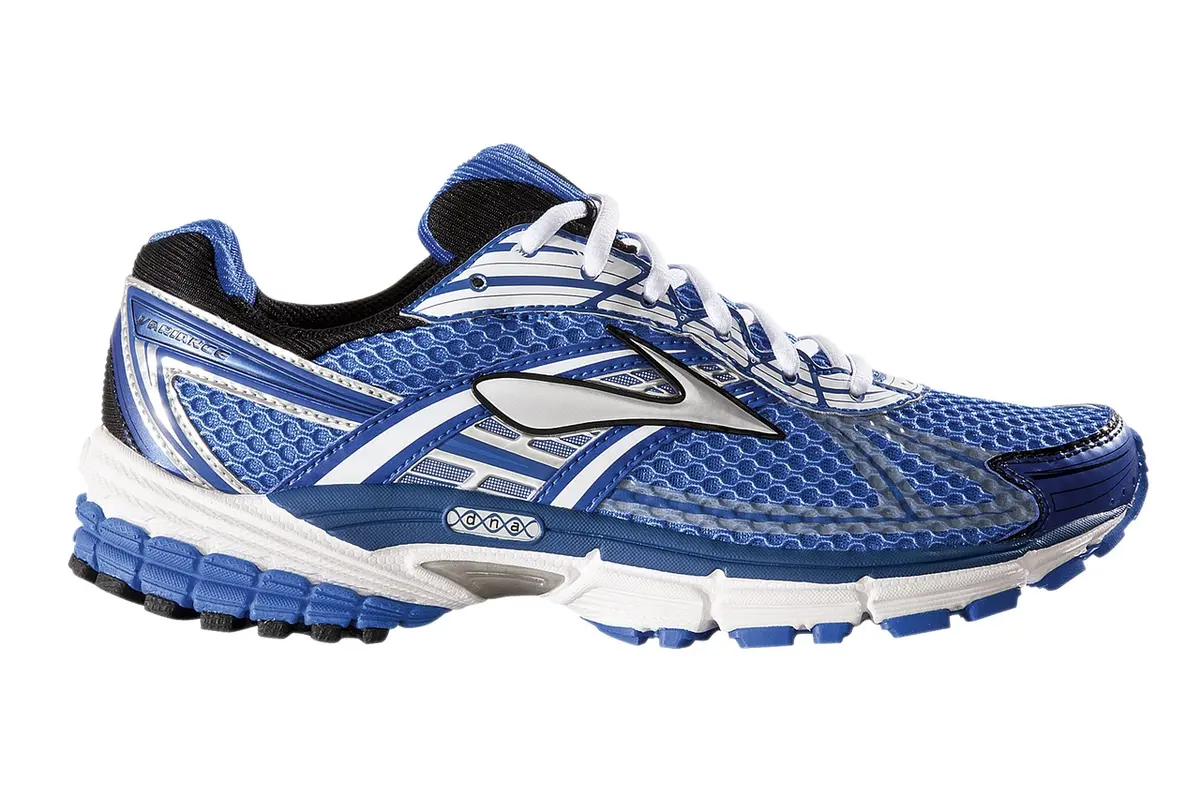
Best Overall: Brooks Ghost 15
This is what running stores recommend to new runners constantly, and after trying a bunch of shoes, I get why.
The cushioning works for most foot types, the DNA LOFT midsole absorbs impact well, and the neutral design suits the majority of people. They’re durable too - expect 300-500 miles before needing to replace them.
They’re not particularly exciting looking, and if you care about having the trendiest shoes at the gym, these won’t turn heads. But they work well for daily training.
Works for most new runners.
Best Value: Saucony Cohesion 15
Good running shoes exist without spending $150+. These deliver decent cushioning and durability at a much lower price point.
They don’t have as much technology as pricier options, and the aesthetics are pretty basic. But for someone trying running for the first time who doesn’t want to invest heavily upfront, these do the job.
They come in wide sizes too, which is surprisingly hard to find.
Good for budget-conscious beginners and casual joggers.
Best Cushioning: Hoka Clifton 9
If you want maximum cushioning - maybe you’re heavier, have joint concerns, or just want the softest landing possible - Hokas are famous for this.
Despite that thick sole, they’re surprisingly light. The meta-rocker design encourages a smooth stride. They work great for walking too if you’re not ready for full running yet.
The chunky look isn’t for everyone, and the high stack takes some getting used to. But for comfort, these are hard to beat.
Good for heavier runners, joint concerns, or anyone starting later in life.
Best for Stability: ASICS Gel-Kayano 30
If you overpronate - where your feet roll inward when you run - stability shoes help prevent injuries. The Gel-Kayano has been addressing this for 30 years now.
The 4D GUIDANCE SYSTEM keeps you stable, there’s GEL cushioning at the heel and forefoot, and they work particularly well for flat feet. Built to last.
They’re heavier than some options and complete overkill if you don’t actually need stability features.
Good for overpronators and flat-footed runners.
Best Lightweight: Nike Pegasus 40
Nike’s been refining the Pegasus for decades. It’s versatile enough for slow jogs or faster tempo runs, the React foam is bouncy but still cushioned, and the upper breathes well.
Comes in tons of colors if that matters to you.
Can feel narrow for wider feet, and probably not ideal for very long distances. But for most training purposes, it’s solid.
Good for newer runners who want something faster-feeling.
Understanding Your Foot Type
The Wet Test
Simple way to figure out your arch type:
- Wet the bottom of your foot
- Step onto dark paper or cardboard
- Look at the shape
Normal Arch: Curved inward, moderate arch visible Go with neutral shoes like Brooks Ghost or Nike Pegasus
Flat Foot: Almost complete footprint, little to no curve You likely need stability shoes like ASICS Gel-Kayano
High Arch: Thin band between heel and toe Cushioned neutral shoes work best, like Hoka Clifton
Quick Comparison
| Shoe | Best For | Price Range |
|---|---|---|
| Brooks Ghost 15 | Overall best | [Check Price] |
| Saucony Cohesion 15 | Budget option | [Check Price] |
| Hoka Clifton 9 | Maximum cushion | [Check Price] |
| ASICS Gel-Kayano 30 | Stability/support | [Check Price] |
| Nike Pegasus 40 | Lightweight/speed | [Check Price] |
Terms Worth Understanding
Drop (Heel-to-Toe Offset)
- 10-12mm: Traditional, good for heel-strikers
- 6-8mm: Middle ground, works for most
- 0-4mm: Minimal, promotes forefoot striking
As a beginner, start with 8-10mm drop. Going too minimal too fast is how injuries happen.
Cushioning Level
- Maximum: Good for long runs, heavier runners
- Moderate: Most versatile, everyday training
- Minimal: Racing and experienced runners only
When to Replace Running Shoes
Signs it’s time:
- 300-500 miles of use (track this in an app)
- Midsole feels flat and compressed
- Visible wear on the outsole
- More aches after runs than usual
- Upper is torn or separating
Breaking In New Shoes
- Walk in them first - 30 minutes or so before running
- Start with short runs - 1-2 miles initially
- Listen to your feet - mild adjustment is normal, pain is not
- Alternate with old shoes for the first week or two
- Give it time - about 10-15 runs for full break-in
Common Beginner Mistakes
- Buying based only on looks (I did this)
- Getting shoes too small - you need room for toe swell
- Running in worn-out shoes too long
- Using old tennis shoes instead of actual running shoes
- Skipping the break-in period
Final Thoughts
For most beginners, the Brooks Ghost 15 is the safest recommendation. It works for most foot types, has good cushioning, lasts well, and you can find it pretty much anywhere.
If budget is the priority, the Saucony Cohesion 15 delivers solid performance for less money.
Prices fluctuate, so always check current prices before buying.