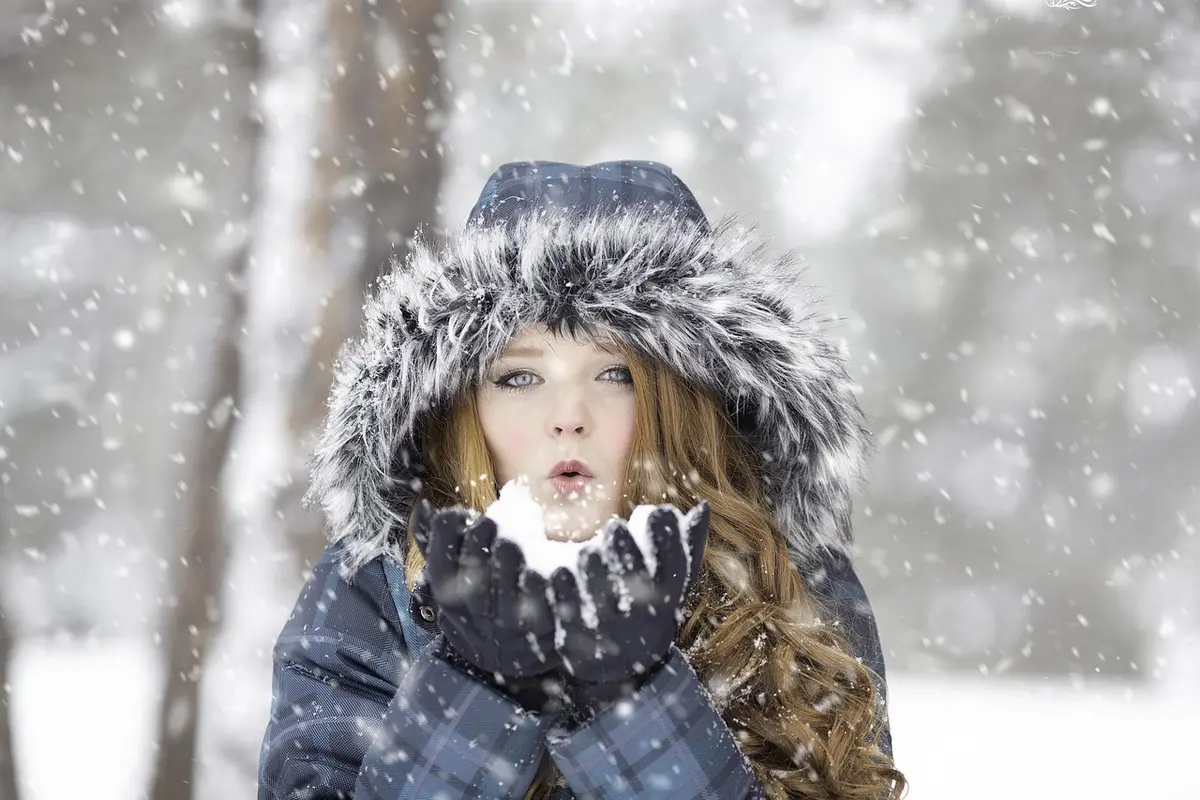
The Winter Jacket Search
Finding the right winter jacket is weirdly stressful. Too heavy and you’re overheating on the subway. Too light and you’re freezing waiting for the bus. Too bulky and you look ridiculous. The wrong material and you’re damp and cold the moment it snows.
I’ve bought too many jackets trying to solve this. Here’s what I’ve learned actually works for different situations.
The Picks
1. Patagonia Tres 3-in-1 Parka - The Swiss Army Knife
This is essentially three jackets in one: a waterproof shell, a down jacket, and both combined. Each piece works independently or together.
The shell handles rain and wind on its own. The removable down jacket (700-fill recycled down) handles cold. Zip them together and you’ve got serious winter protection.
The versatility is the main selling point. One jacket that covers you from early fall through deep winter, depending on how you configure it.
Takes some trial and error to figure out which configuration works for which conditions. The price reflects that you’re getting three jackets.
For people who don’t want to own multiple jackets or travel frequently between climates.
2. Canada Goose Expedition Parka - For Serious Cold
If you live somewhere that regularly hits -20F or worse, Canada Goose makes sense. This specific model is rated for -30C (-22F). That’s not marketing - they test it.
625-fill duck down, serious construction, the hood actually blocks wind. Built to last many years.
The iconic logo carries status meaning for some people. For others, it’s just a jacket.
Completely overkill for mild winters. Expensive. But if you deal with genuine arctic conditions - whether living in certain climates or working outdoors - this is what actually keeps you warm.
3. The North Face ThermoBall Eco - For Lightweight Layering
Sometimes you need warmth without bulk. The ThermoBall synthetic insulation packs small, weighs little, and maintains warmth even when wet (unlike down).
100% recycled materials for the environmentally conscious. Works well as a layer under a shell or on its own in moderate cold.
Not warm enough for the coldest days on its own. That’s not what it’s designed for.
Good for travel, layering under other jackets, or climates where cold but not arctic is the norm.
4. Arc’teryx Atom Hoody - For Active Use
Arc’teryx designs for people who actually do things outside. The Atom has breathable side panels that prevent overheating during activity while the Coreloft insulation keeps core areas warm.
The balance is impressive - you can hike, run, or ski in this without either freezing or cooking.
More expensive than average. The technical aesthetic reads outdoorsy.
For people who are actually active in winter - hiking, cross-country skiing, running, or similar.
5. Uniqlo Ultra Light Down - The Budget Surprise
Uniqlo keeps impressing me with how much quality they deliver at the price point. This jacket packs into its own bag, weighs almost nothing, and provides genuine warmth.
Works as a layer or on its own in moderate cold.
Not the warmest option for deep winter - think of it as a three-season piece with winter layering potential.
For budget-conscious buyers, travelers who need packability, or anyone who needs a light warm layer.
Quick Comparison
| Jacket | Warmth | Type | Price | Best For |
|---|---|---|---|---|
| Patagonia Tres | High | 3-in-1 | [Check Price] | Versatility |
| Canada Goose | Extreme | Parka | [Check Price] | Extreme cold |
| ThermoBall Eco | Medium | Puffer | [Check Price] | Lightweight |
| Arc’teryx Atom | Medium | Synthetic | [Check Price] | Active use |
| Uniqlo Down | Medium | Puffer | [Check Price] | Budget |
Jacket Types
Down Jackets
Down (usually goose or duck) offers the best warmth-to-weight ratio. Compresses small for packing. The trade-off: loses insulating ability when wet. Best for dry, cold conditions.
Fill power indicates quality - higher numbers mean more warmth per weight. 600-fill is decent, 800+ is premium.
Synthetic Insulation
Man-made fibers that maintain warmth even when wet and dry faster than down. Bulkier for equivalent warmth. Usually cheaper. Better for wet climates or high-output activities where you’ll sweat.
Parkas
Longer cut providing more coverage and warmth. Usually the warmest option. Heavier and less mobile. Best for standing around in cold (commuting, watching outdoor events) rather than active use.
Wool Coats
Classic style, naturally warm, breathable. Heavy, usually requires dry cleaning. Better for urban contexts where style matters and extreme cold isn’t the issue.
What to Consider
Temperature Rating - Match to your climate. Arctic gear in California is overkill. A light puffer in Minnesota is insufficient.
Water Resistance - DWR (durable water repellent) coating helps in light precipitation. For real rain or snow, you need a waterproof shell.
Fit - Slim fits look better but allow less layering. Regular fit accommodates sweaters underneath. Oversized is trendy but can look sloppy if not intentional.
Weight - Heavy jackets can be tiring to wear all day. Consider whether you’re mostly outside or carrying the jacket inside with you.
Final Thoughts
Patagonia Tres 3-in-1 makes the most sense for people who want one jacket that handles multiple conditions. The versatility justifies the price.
Canada Goose Expedition is the answer if you deal with genuinely extreme cold. Nothing else on this list matches it for arctic conditions.
Uniqlo Ultra Light Down is impressive for the price - a solid budget option that punches above its weight.
Check the links for current pricing.